Discovery: Reframing the Target User
As smart products drove more cross-disciplinary mechatronics design workflows, we identified an opportunity for a more integrated experience. The initial concept proposed an “all-in-one” application — but it was unclear who it was truly for.
As UX lead, I partnered with a researcher to conduct ~20 discovery interviews across students, educators, engineers, and project managers from startups to large enterprises.

Key Insights
In professional environments, roles are highly specialized. Most mechanical engineers don’t need to become electrical or software experts, but they do want tools to learn, prototype, and communicate across disciplines.
Bridging UX Vision & Technical Feasibility
Amid high ambiguity, multiple engineering teams were blocked awaiting direction.
I took the initiative to align stakeholder perspectives and translate research findings into a strategic vision video that clarfied the target experience, key workflows, and priorities for the team.
The vision video was shared broadly across organizations and presented in leadership discussions, helping create aligment around the future direction.
When feasibility concerns emerged around interactive 2D circuits, I conducted technical research (e.g., SVG structure, metadata, and interaction models) and proposed scalable implementation approaches, bridging visual design and engineering.
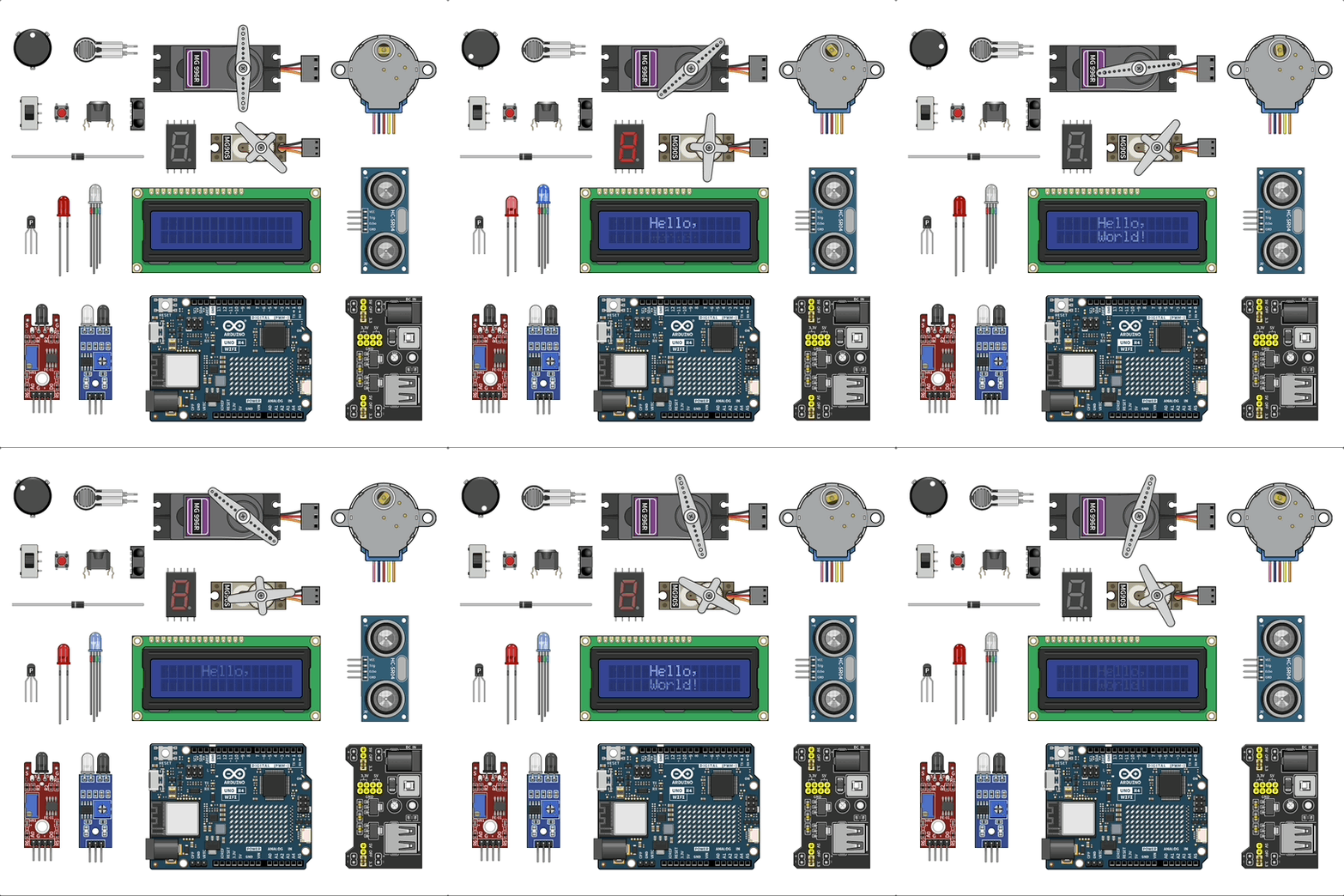
Outcome: The vision gained executive approval, unlocking architectural and UI changes previously considered out of scope and directly shaping the MVP’s interactive 2D circuit foundation.
Prototyping Complex 3D UI
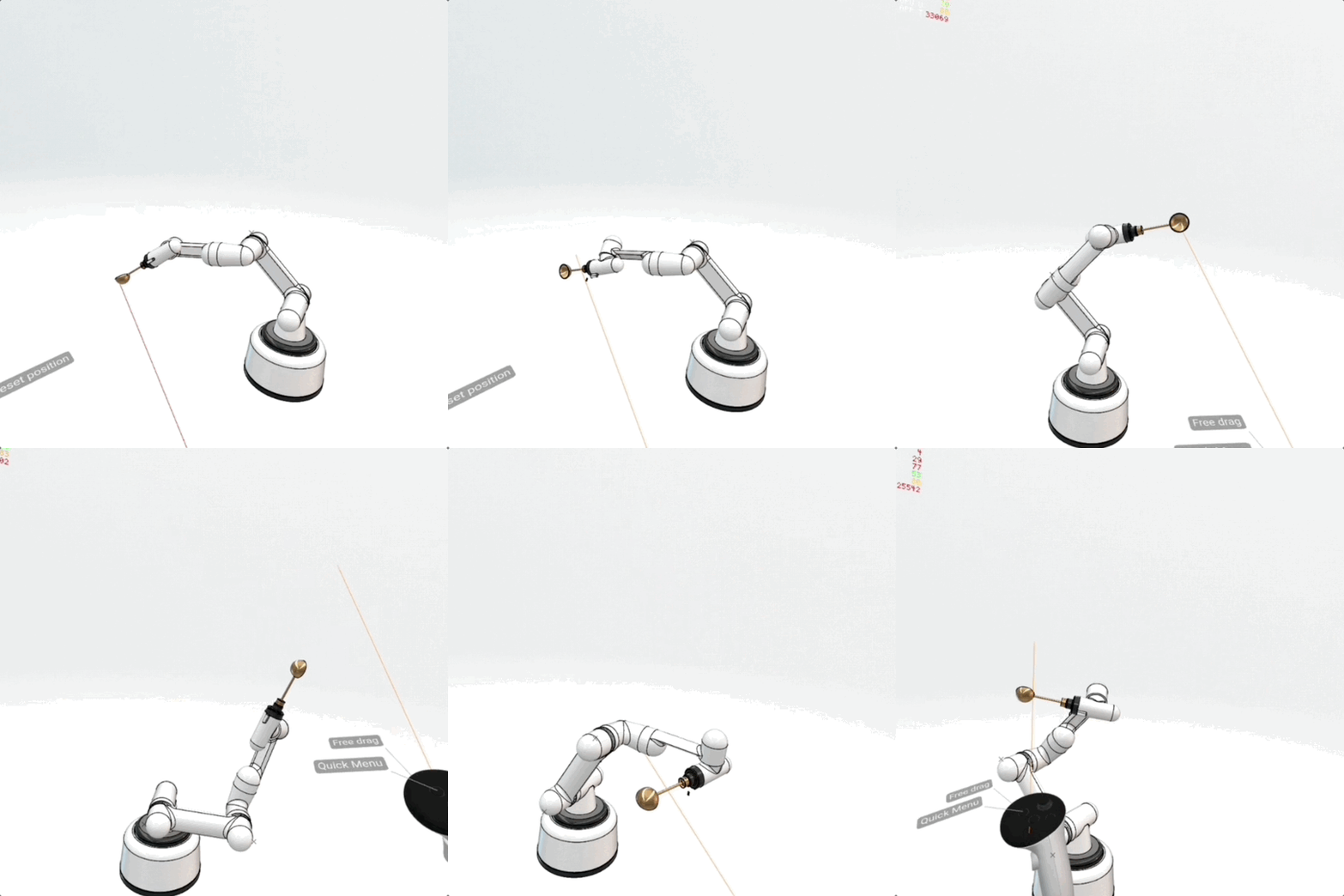
I designed and prototyped several 3D interaction concepts (including spline-based UI) to communicate behavior, not just layout.
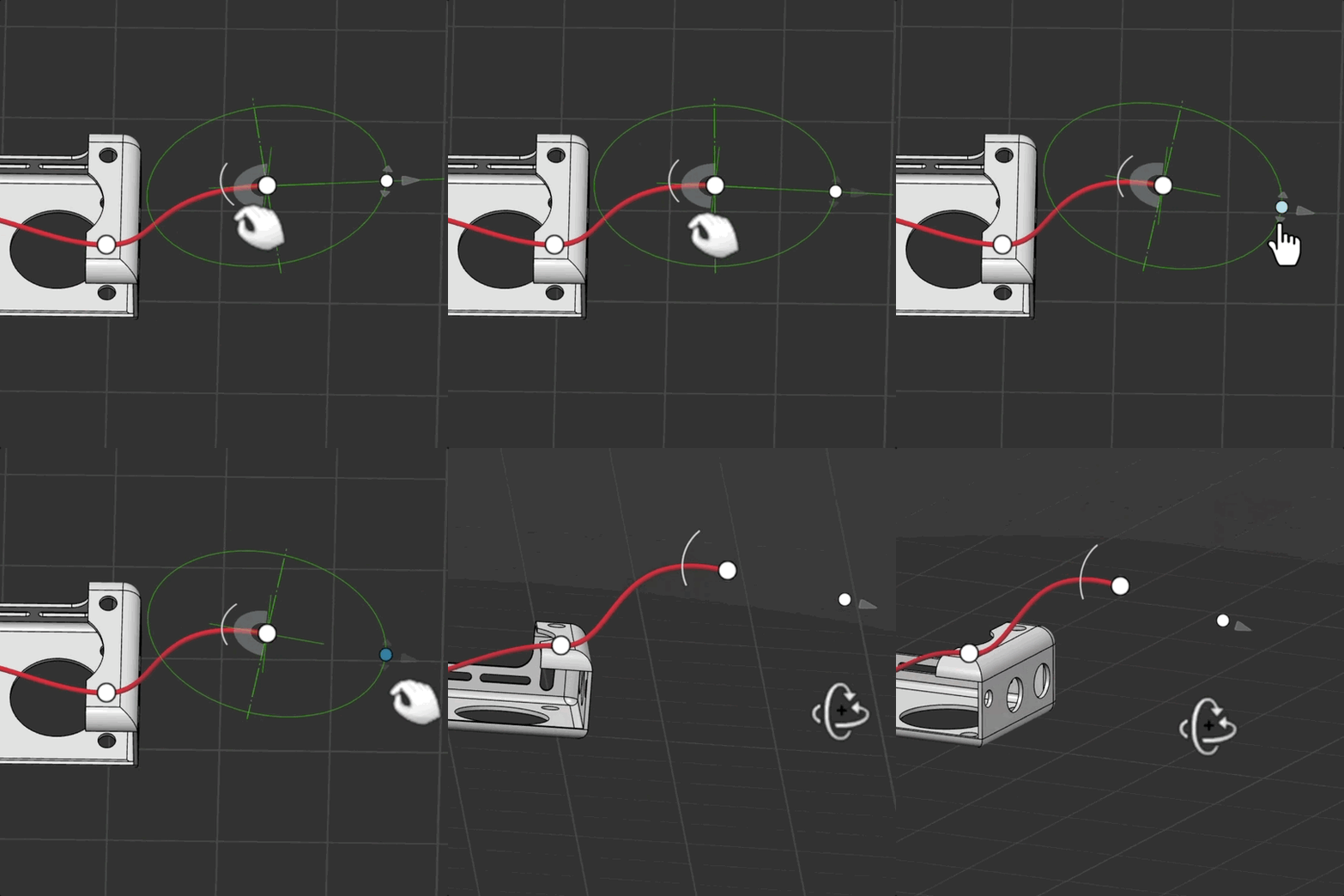
Outcome: These prototypes were used primarily as alignment tools. They helping developers understand intent, constraints, and tradeoffs early.
MVP & Validation
xMechatronics was demoed at 2024 3DEXPERIENCE World, followed by a “lighthouse” Customer Advisory Board with ~20 users testing the product in real workflows over an extended period.
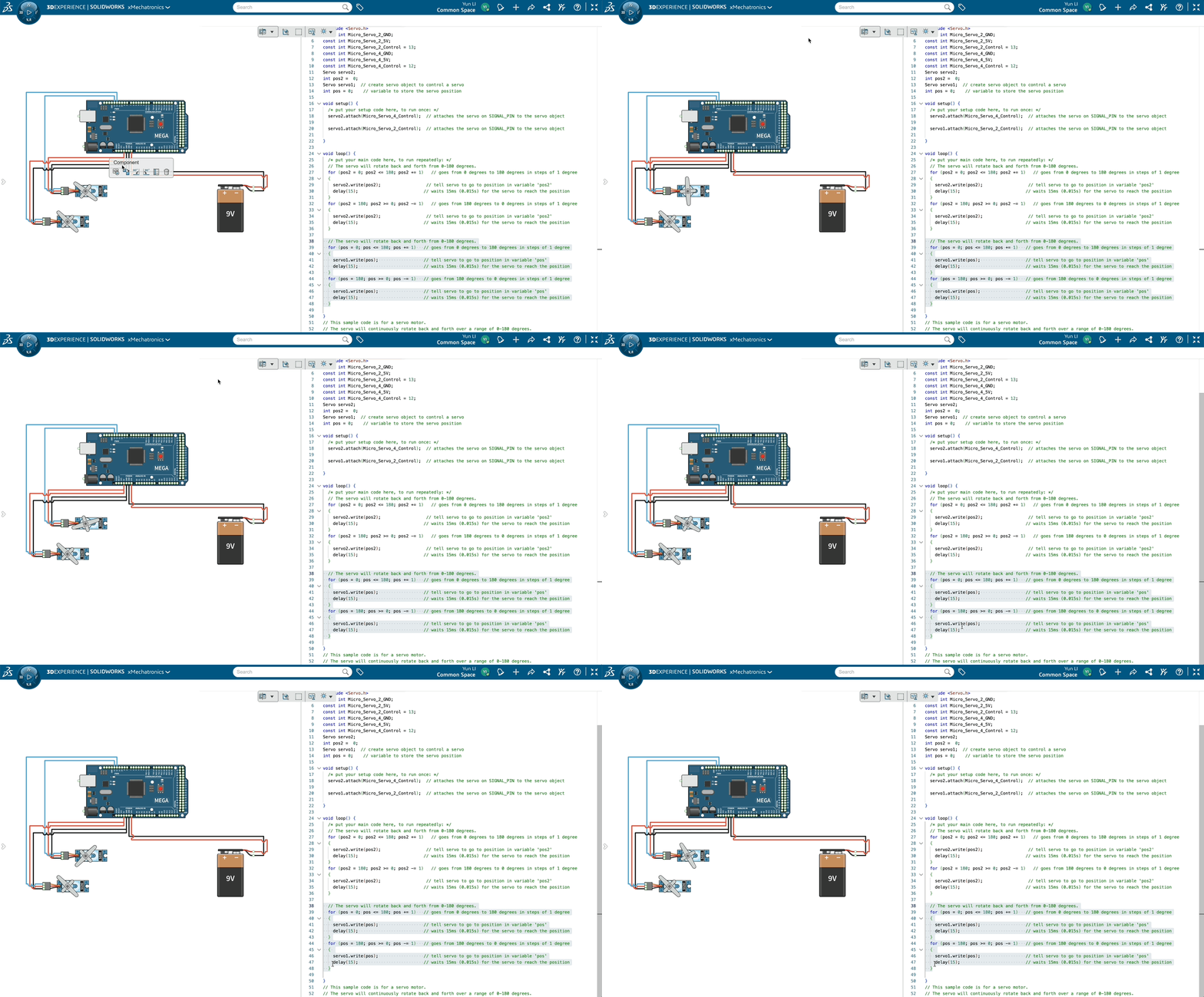
Post-MVP UX Impact: Usability testing revealed a major limitation: auto-generated circuit wires were not editable. I synthesized user feedback and recordings into a compelling case, helping secure resources for a high-impact UX improvement project that introduced interactive wire editing — a critical step toward learnability and control.
FRC Exploration
When company priorities shifted toward education and FIRST Robotics, xMechatronics risked being paused. I conducted rapid desk research (including analysis of FRC community discussions) and reframed xMechatronics as uniquely aligned with FRC’s mechanical-electrical-software needs.
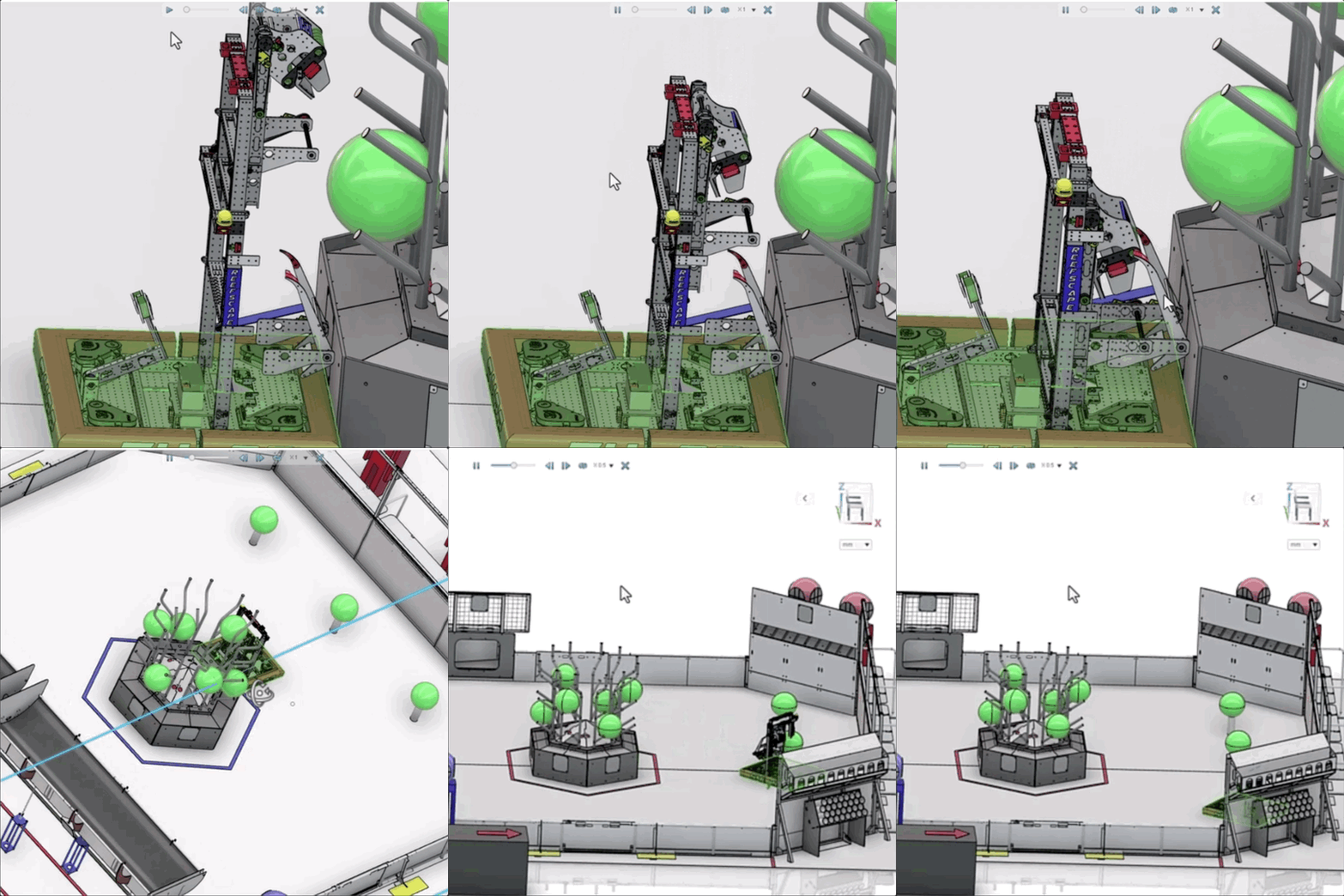
Outcome: The project continued, and we explored FRC-specific simulations using real robot log files — aligning product strategy with company focus without discarding prior investment.